What is the difference between pressure washing and soft washing? We will answer that today!
As the owner of Xworks Property Care Solutions here in Richmond Hill, I talk to homeowners all the time who ask:
“Sergio, should I pressure wash this or soft wash my house?”
The truth is that what you need depends on the surface and whether you are doing pressure washing or soft washing. Today, we will walk you through it in simple terms so you can protect your home the right way.
What’s the Main Difference Between Pressure Washing and Soft Washing?
Don’t worry if you don’t know the answer; we get this question often. Most people use “pressure washing” and “soft washing” interchangeably to describe a house wash. However, if you own a home here in Richmond Hill, GA, or nearby, you most likely already know how fast dirt, mold, and green algae can build up. Between the humidity, pine trees, and coastal air from nearby Savannah, our homes take a beating, which is why a house soft wash is most likely what you need!
Pressure washing on the other hand, which uses pressurized water to clean, is better for your driveway, patio, or hard surfaces.
Both methods clean your home’s exteriors, but soft washing is designed for softer surfaces and pressure waashing is ideal for hard surfaces:
- Pressure washing: uses high-pressure water to blast away dirt and stains.
- Soft washing: uses low pressure and cleaning solutions to gently treat and remove buildup.
Think of it like this: pressure washing uses force to remove grime, whereas soft washing uses cleaning solutions and gentle water spraying.
Here in Richmond Hill and the surrounding areas like Pooler and Savannah, choosing the wrong method can actually damage your home, so the difference does matter! Let’s dive in further!
Which is better soft washing or pressure washing? & How the techniques differ:
It is not that one is better than the other, but rather, the two are differnt. Just like somtimes you need similar services at your car appointment, your home requires specific cleaning methods for the exterior. Roofs and siding do better when soft house ewashing techniques are used whereas your hard and durable surfaces can withstand the pressurized water.
Here is a quick break down of the two:
Pressure Washing
- Uses 1,500–3,000 PSI (very strong)
- Best for hard surfaces
- Relies mostly on water force
Soft Washing
- Uses 100–400 PSI (very gentle)
- Uses cleaning solutions like sodium hypochlorite (professional-strength bleach mixture)
- Designed to kill mold, mildew, and algae at the root
The key difference is really pressure, but also the surfatancts and soaps tha soft washin uses. Because we deal with a lot of algae growth in Savannah and Bryan County, soft washing is often the smarter long-term solution for many homes.
What Surfaces Should Be Pressure Washed?
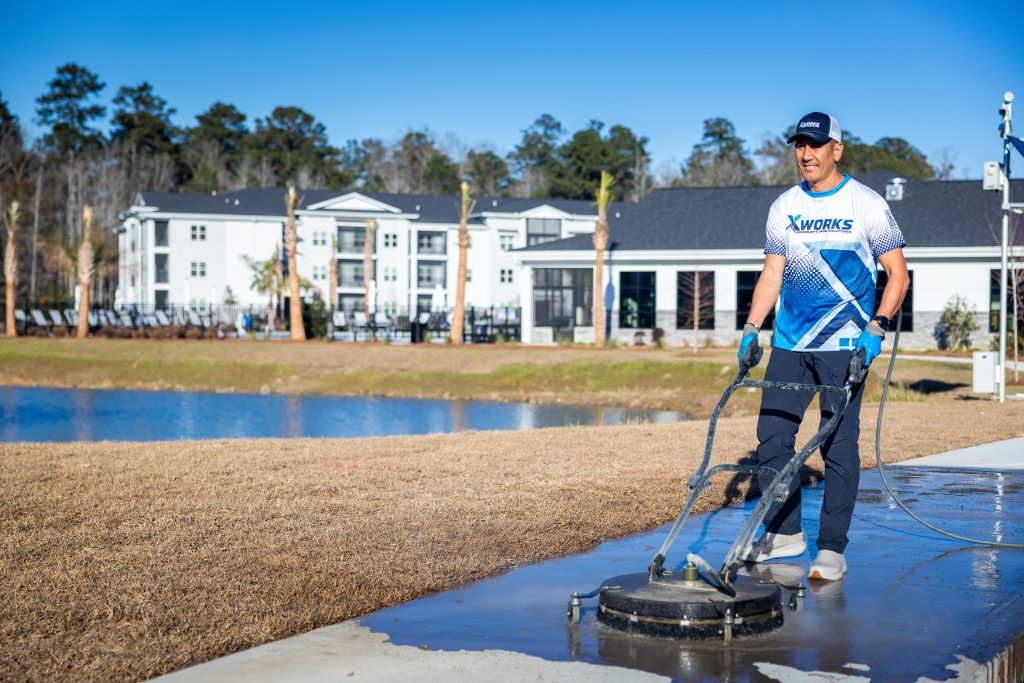
When you think of pressure washing, think of wood and stone and you will never be confused! Pressure washing works great on tough, solid surfaces like:
- Concrete driveways
- Brick patios
- Sidewalks
- Some decks (when done correctly)
If your driveway in Richmond Hill has oil stains or years of red Georgia clay buildup, pressure washing is usually the way to go and will remove those stains. Unlike your house, your rugged surfaces can have the debris blasted away and actually need the pressure.
Now, if you find yourself asking about power washing, that is the same thing only heated water is used to further remove deeply embeded oil stains and more! Power washing is more of a commercial technique, but can somtimes be used on drivways for homeowners too!
What Surfaces Should Be Soft Washed?
Soft washing is better for delicate areas like:
- Roofs
- Vinyl siding
- Painted surfaces
- Stucco
- Fences
I never recommend high-pressure washing on roofs here in Richmond Hill. It can damage shingles and shorten the life of your roof. Soft washing safely removes those black streaks (algae) without harming your shingles.
Pros and Cons of Pressure Washing
What are the pros and cons of pressure washing? Depending on who you ask, most people agree that the cons can sometimes ouweight the pros of pressure washing if you hire the wrong company!
Pros
- Very effective on concrete and brick
- Fast cleaning
- Great for heavy stains
Cons
- Can damage siding or wood
- Can strip paint
- Uses more water
- Risk of injury if done incorrectly
I’ve seen homeowners rent machines and accidentally gouge siding or carve lines into their driveway. It happens more than you’d think.
Equipment Used in Pressure Washing
Here at Xworks, we used a variety of industrial grade equipment to perform pressure and power washing projects!
There are different pressure washing machines we use including:
- Electric pressure washers (lighter jobs)
- Gas pressure washers (heavy-duty jobs)
- Different nozzles to adjust spray patterns
Using the wrong tip or pressure setting can cause damage — especially in older neighborhoods around Richmond Hill.
How Pressure Washing Can Affect Paint and Surfaces
Pressure washing can harm your surfaces if you hire the wrong company. Some companies use too much pressure for specific surfaces, not following guidelines! When too much pressure is applied this can lead to:
- Strip paint
- Chip siding
- Force water into cracks
- Cause long-term damage if done too often
That’s why we’re careful at Xworks about where and when we use pressure washing and we always test surfaces before doing so!
What are the benefits of Soft Washing
Soft washing is often the better choice for homes in coastal Georgia beacuse the chemicals do the work, not the pressure. This also makes the
Why?
- Low pressure = less damage
- Kills mold and algae at the root
- Results last longer
- Uses less water
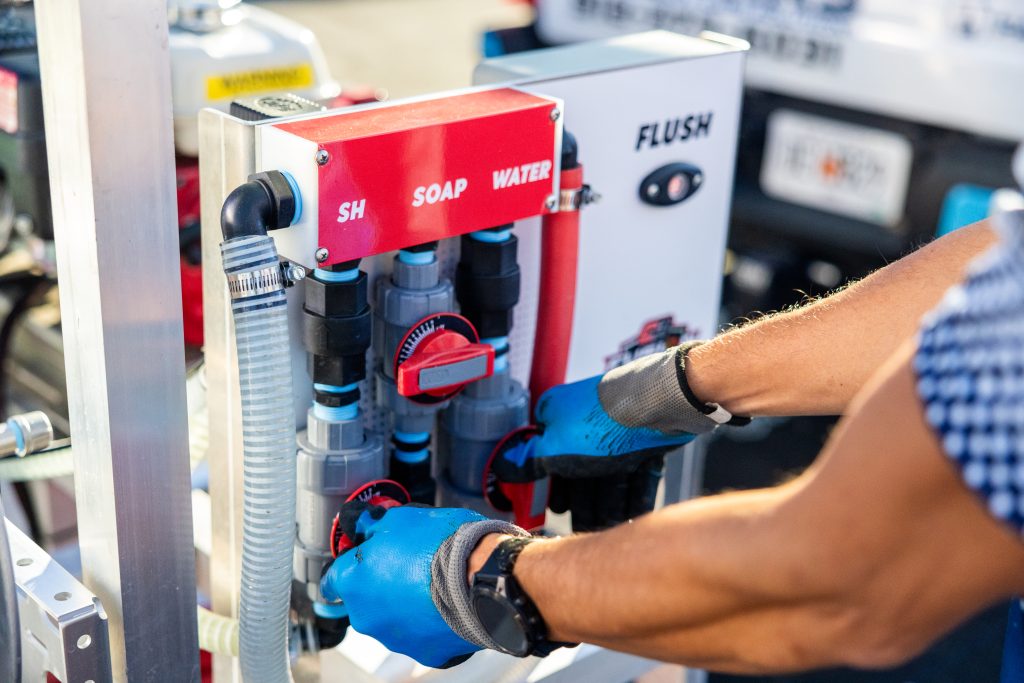
The cleaning solution we use (professional-strength sodium hypochlorite with surfactants) doesn’t just wash the surface — it treats it. That means the algae growing on your roof or siding doesn’t come back as fast.
What Cleaning Solutions Are Used?
Effective soft wash cleaning solutions typically contain a combination of surfactants, bleach, and other cleaning agents. Commonly used solutions include:
- Sodium hypochlorite (12.5% professional mix)
- Surfactants (help it stick to surfaces)
- Biodegradable cleaners
We always take care to protect landscaping and rinse thoroughly after which mitigates any issues. The upside to cleaning solutions and surfactants is that the cleaning lasts longer!
Why Soft Washing Is Best for Roof Cleaning in Richmond Hill
If you see black streaks on your roof, that’s algae and it is very common in our area. This can actually decrease the lifespan of your roof which is why a roof wash is necessary every 4-5 years! Soft washing is particularly beneficial for roof cleaning due to its gentle approach.
In fact, high-pressure washing can damage shingles and lead to leaks, while soft washing effectively removes algae and moss without causing harm. Studies show that soft washing can extend the lifespan of roofing materials by preventing damage associated with high-pressure cleaning. This method not only protects the roof but also enhances its appearance, making it a preferred choice for homeowners.
Pressure washing a roof can:
- Damage shingles
- Remove protective granules
- Cause leaks
Soft washing:
- Removes algae safely
- Extends roof life
- Improves curb appeal
For most homes in Richmond Hill, roof soft washing is the safest and smartest choice and be sure to hire a pressure washing company that understands this.
Environmental & Safety Considerations
Pressure washing:
- Uses more water
- Can cause runoff into storm drains
- May spread debris
Soft washing:
- Uses less water
- Often uses biodegradable solutions
- Reduces environmental impact
As a local business owner serving Richmond Hill and Bryan County, I care about protecting our community and waterways.
Cost Comparison
Pricing depends on home size and condition, but generally:
- Pressure washing: $0.10–$0.50 per sq ft
- Soft washing: $0.08–$0.30 per sq ft
Driveways usually cost less than full house washes. Roof cleaning varies depending on size and pitch.
If you’re in Richmond Hill, I’m always happy to give you an honest quote.
How often should you soft wash your house?
The frequency of soft washing and cleaning depends on factors such as surface type and environmental conditions. Generally, pressure washing may be scheduled every 1-2 years, while soft washing may be needed annually or biannually to maintain cleanliness and prevent mold growth.
In our coastal Georgia climate, we recommend the following:
- Driveways & concrete: Every 1–2 years
- House soft wash: Every 1–2 years
- Roof soft wash: As needed (usually every few years, depending on tree coverage)
Homes near wooded areas in Richmond Hill may need more frequent cleaning due to shade and moisture. If you notice green algae growing on one side, that is usually your shadier side and might need to be cleaned at least once per year!
Final Thoughts on Pressure Washing vs Soft Washing
If you’re not sure which method your home needs, that’s normal. That is why we wrote this guide! The key to knowing the difference is this:
- Pressure washing for hard surfaces
- Soft washing for delicate surfaces
At Xworks Property Care Solutions in Richmond Hill, GA, I always look at the surface first before deciding how to clean it. My goal is simple — clean it safely, make it last, and protect your investment.
If you’re dealing with mold, algae, or years of buildup on your home in Richmond Hill, Savannah, or Pooler, let’s talk. I’m here to help you make the right call.